

The Site That Refused To Stay Still
Along the low western shoreline of the United Arab Emirates sits Tell Abraq, a mound that resembles many others scattered across the Gulf. Yet beneath its wind-blown crust lies something unusually stubborn. For more than three thousand years, people kept returning to this rise of sand and stone, reshaping it as their worlds expanded or collapsed. Few places in southeast Arabia preserve such an unbroken chain of human activity, and even fewer can match its capacity for reinvention.
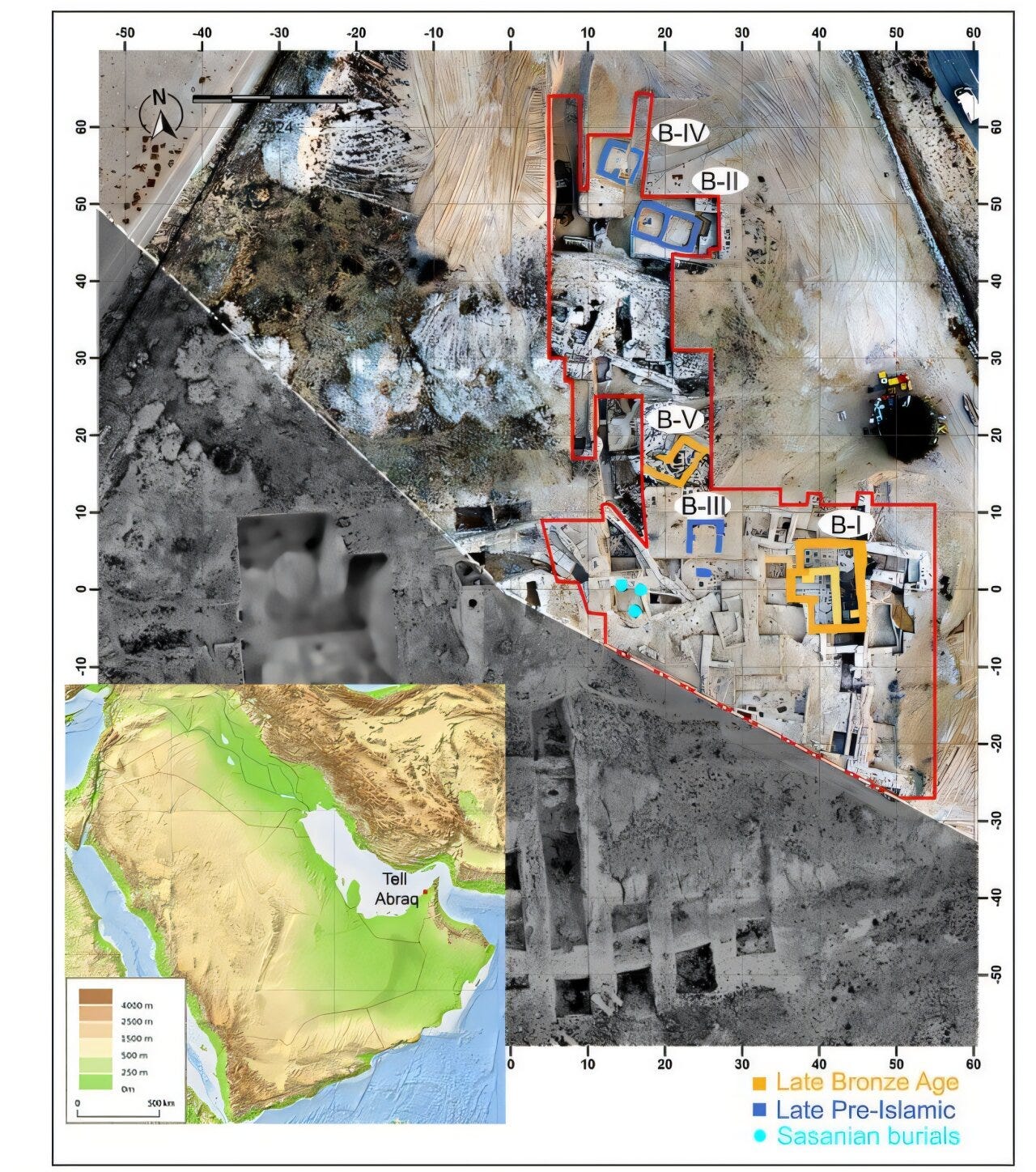
A new study in Antiquity1 traces this long story with fresh excavation data and a renewed focus on how Tell Abraq fit into regional and international networks. From the Late Bronze Age to the early centuries AD, the site shifted roles repeatedly: a settlement tied into distant power structures, a workshop hub, a quiet religious outpost, and finally a waypoint for travelers crossing the Gulf.
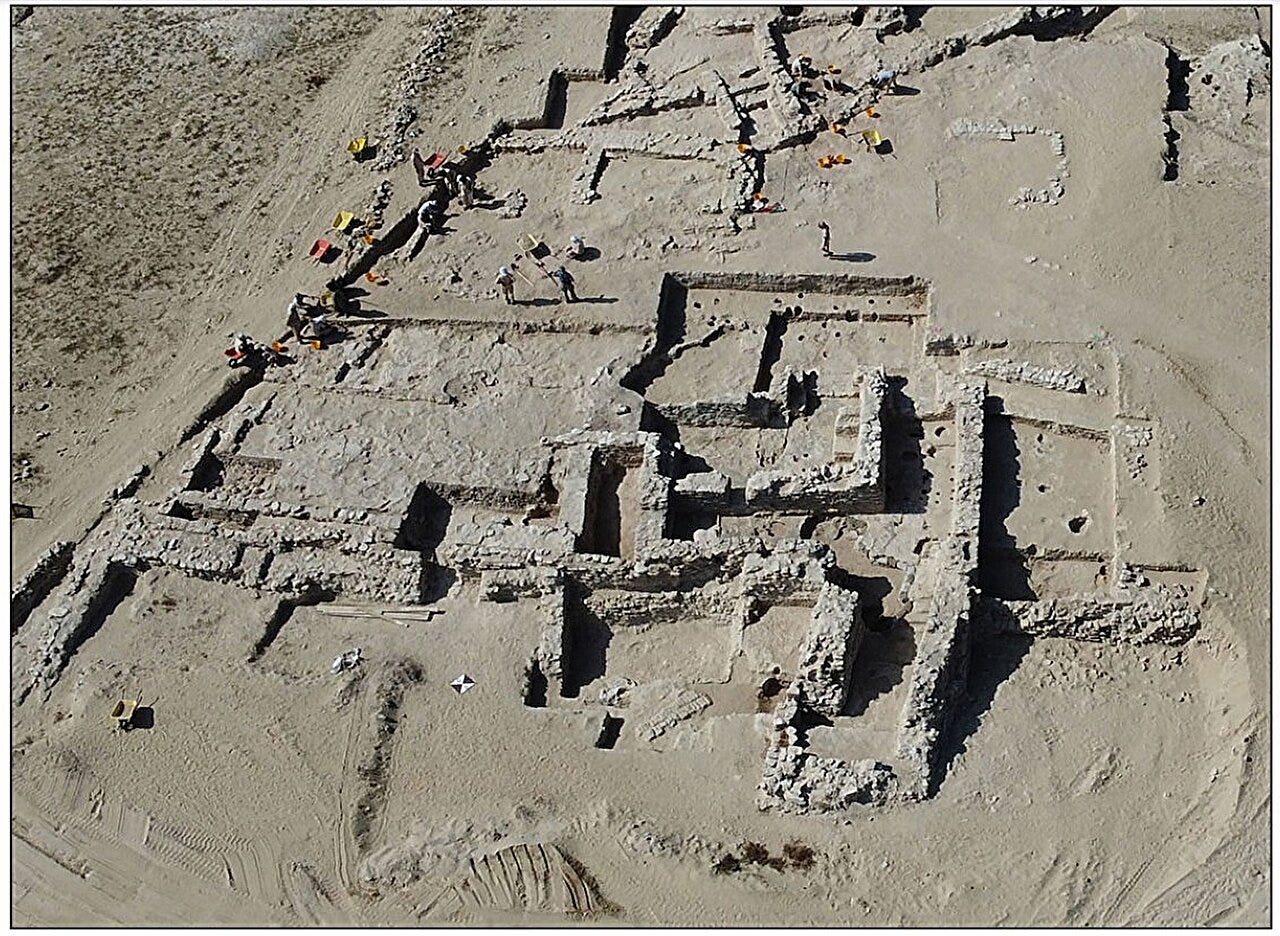
Tell Abraq is not just a timeline of phases. It is a testament to how communities on the Arabian Peninsula navigated external pressures, foreign ambitions, and the ceaseless movement of people and goods. Its layers are not isolated chapters; they are negotiations with a wider world.
“Tell Abraq reflects a rhythm of engagement rather than a straight line of development,” says Dr. Samir Al-Hadidi, an archaeologist specializing in Arabian trade routes at Kuwait University. “Its history shows how coastal communities responded to shifting political landscapes beyond their immediate horizon.”


