

A Bracelet That Defied Its Inventory
Some archaeological puzzles begin with objects too ordinary to attract notice. The silver bangle from Grave 292 at the El Argar site was nearly one of them. Excavated in 1884 by the Siret brothers, the piece traveled directly from a dusty Iberian hillside into the vast Siret Collection and eventually to a Brussels museum. It sat among thousands of items, its form strange but its significance undeciphered.
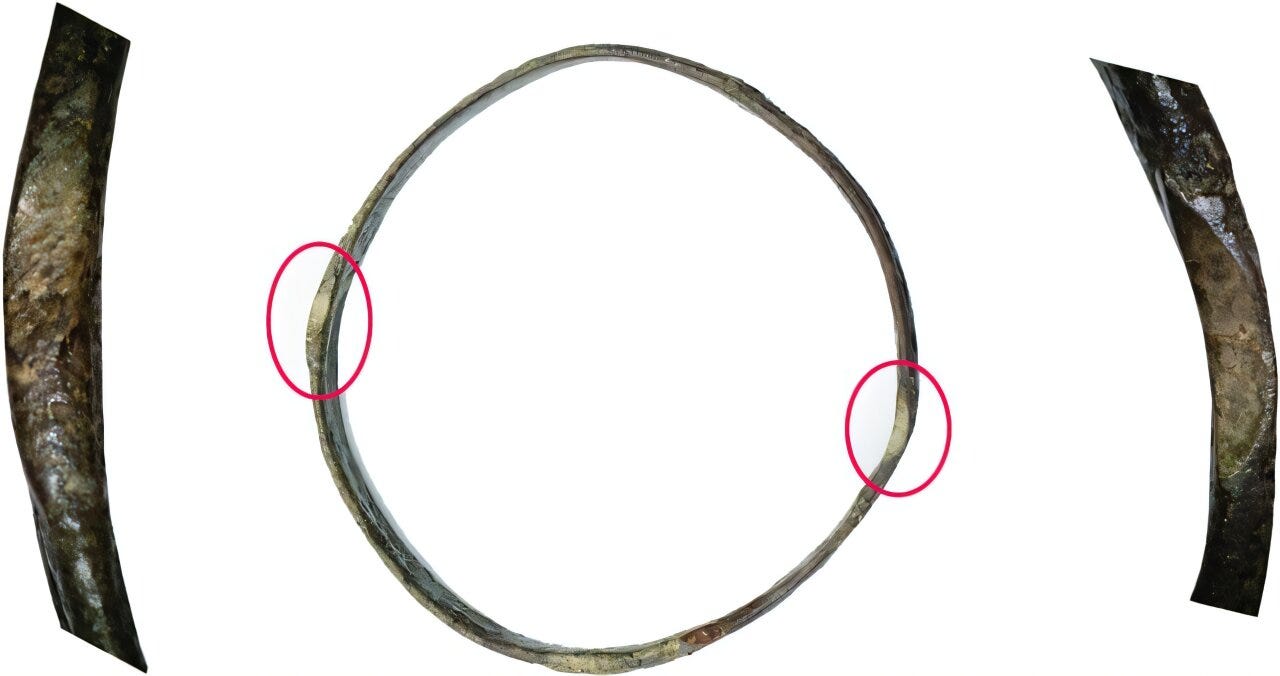
More than a century later, Dr. Linda Boutoille returned to the bracelet with modern analytical methods. What she found1 placed the object far outside the expected technical horizon of the early Bronze Age in Western Europe.
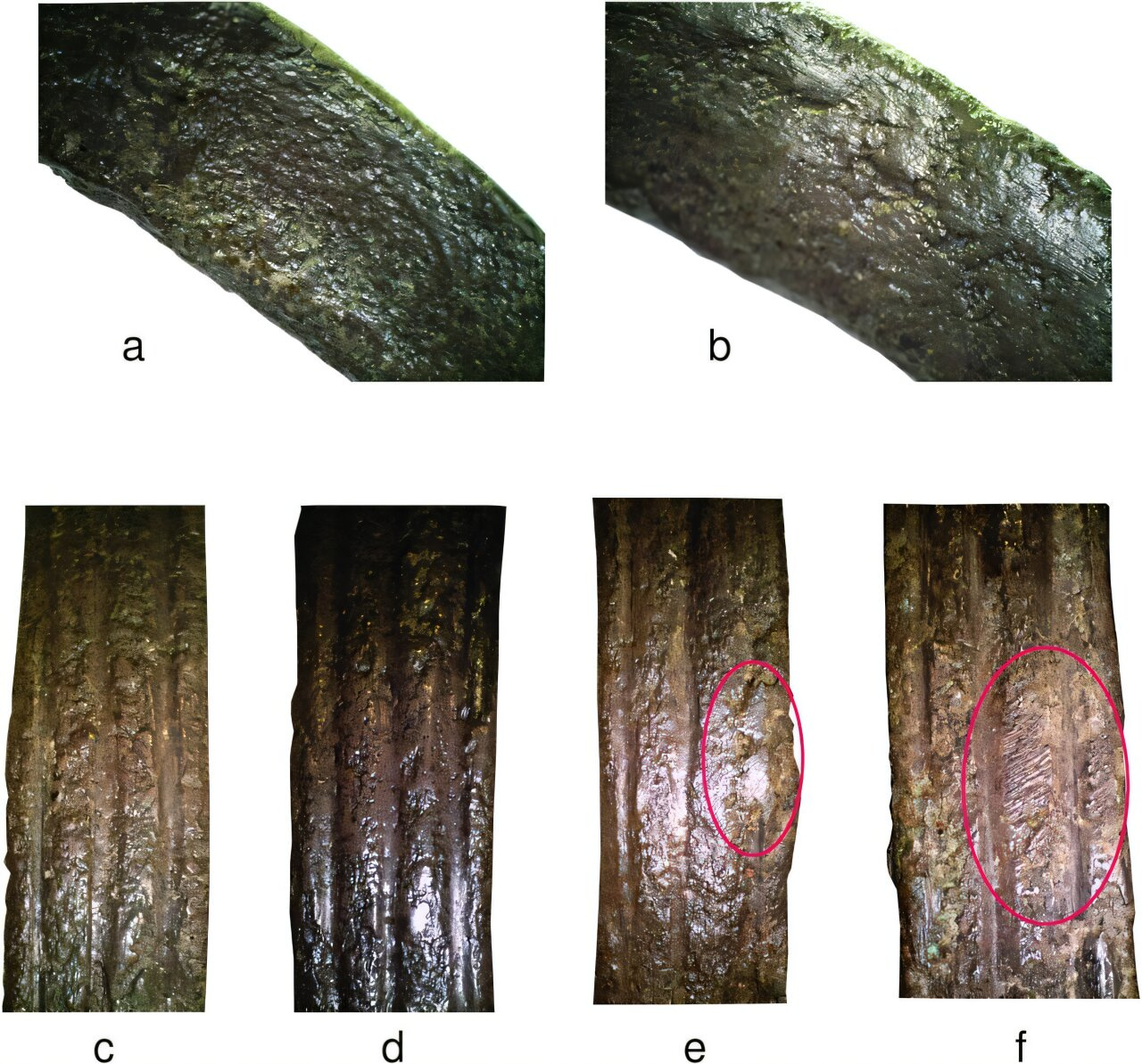
The bangle was not hammered, cut, or shaped by the well-known metalworking traditions of the region. It had been cast using the lost-wax technique, a method that requires fine control of heat, materials, and timing. Prior to this discovery, no confirmed example of such casting existed for silver in Western European contexts of this age.
“The object presents a level of technical intention that cannot be dismissed as accidental innovation,” says Dr. Hugo Serra, a specialist in ancient European metallurgy at the University of Coimbra. “Its existence demands a reassessment of knowledge circulation in the early Bronze Age.”


