

Gesher Benot Ya’aqov (GBY) sits along the upper Jordan River, where the rift valley narrows between the Sea of Galilee and the ancient Hula Basin. The site has been producing remarkable finds for decades: evidence of fire use, fish cooking, plant processing, nuts cracked on pitted stones. What keeps emerging from the sediments is a picture of hominins doing things we didn’t expect hominins to be doing at that time. Nearly 780,000 years ago, they were living with a complexity that resists easy summary.
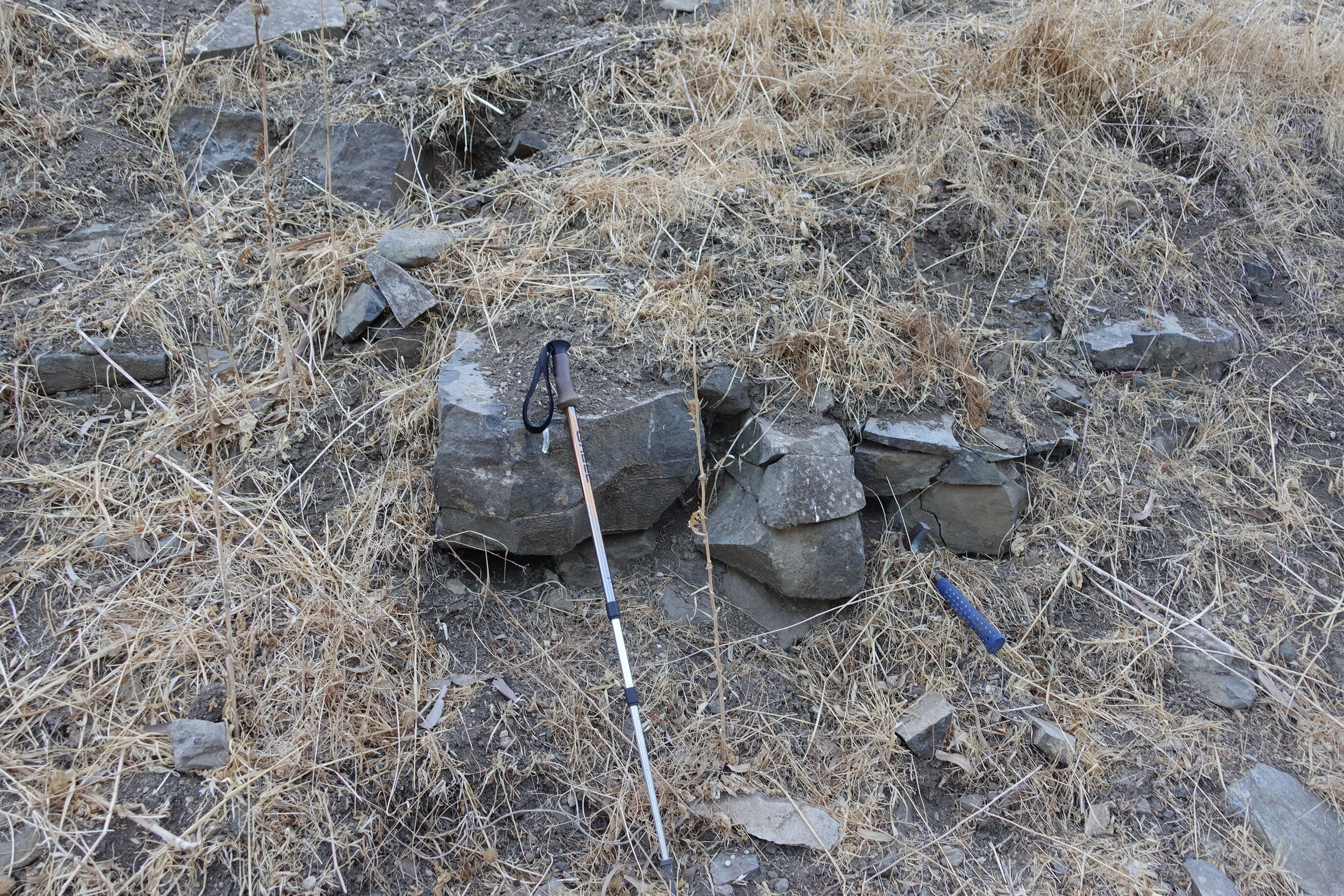
The stone tools from GBY have been studied in detail. The basalt assemblage in particular, handaxes and cleavers shaped from large flakes struck off massive cores, tells a story of technical sophistication. The reduction sequence is not simple: a hominin had to identify a suitable basalt slab, work it into a giant core sometimes weighing more than 20 kilograms, detach a large flake, and then shape that flake into a finished biface. Earlier analyses of the GBY assemblage showed that most of this knapping didn’t happen at the site itself. The flake counts don’t add up. There are far too few debitage pieces relative to the number of finished tools, which means the initial reduction stages happened elsewhere, probably where the raw material was obtained, and the finished or near-finished tools were carried in.
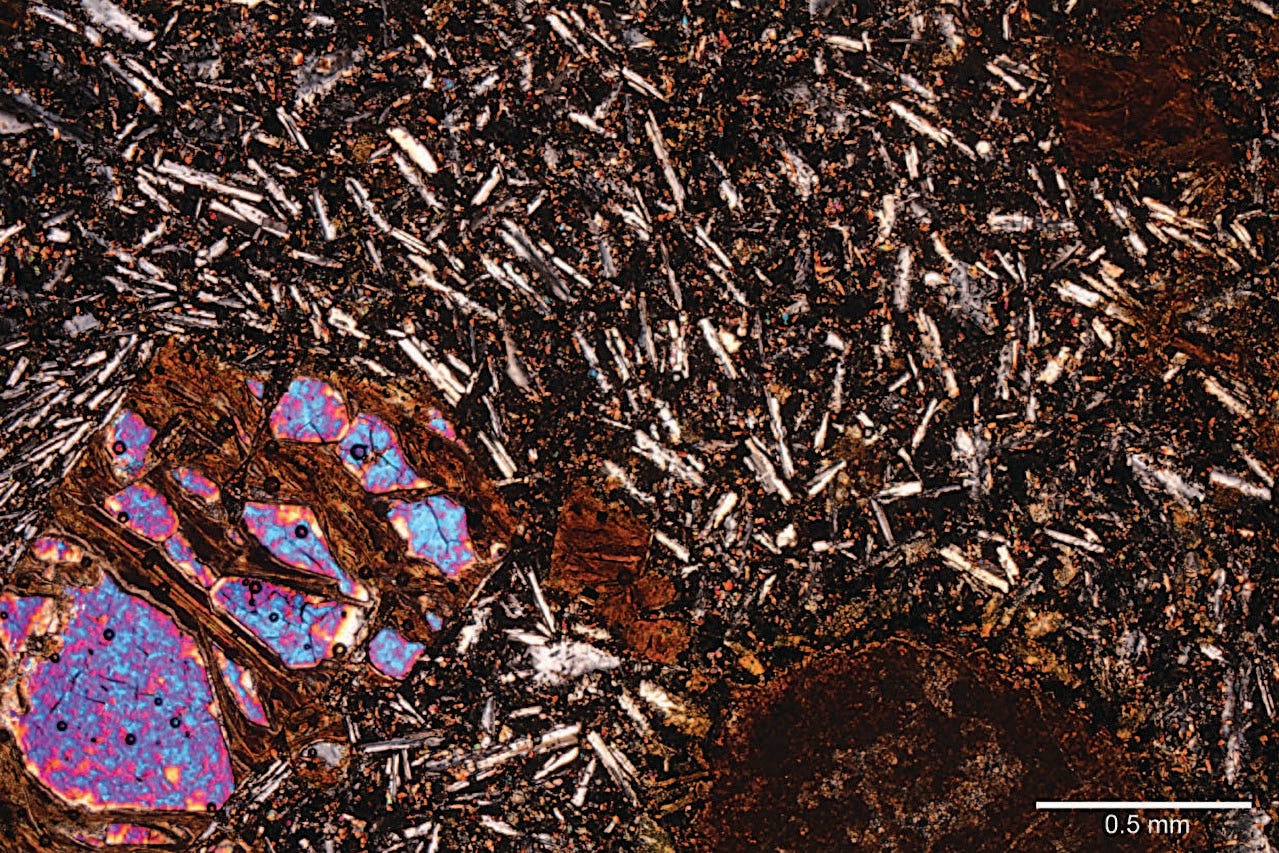
But where, exactly, was the basalt coming from? That question turns out to be harder than it sounds.
The Jordan Valley is tectonically active. The Dead Sea Transform has been faulting, tilting, subsiding, and eroding the landscape for millions of years. Basalt flows that were exposed at the surface 780,000 years ago may be buried under tens of meters of sediment today. Flows that exist as outcrops now may represent only a fragment of what was once available. Reconstructing a Pleistocene raw material landscape from what you can see at the surface is a bit like trying to understand a library by examining the books that survived a flood.
A new study1 by Tzahi Golan, Yoav Ben Dor, and Naama Goren-Inbar addresses this problem directly by going underground.


