

The Problem With Pottery Stories
For decades, traces of oily residues inside ancient pots have been treated as miniature archives. Scrape out the molecules, run them through a mass spectrometer, and suddenly kitchens, trade routes, and regional cuisines come into sharper relief. Olive oil, in particular, has enjoyed the starring role. It is culturally iconic, economically central, and chemically recognizable. Or so it was thought.
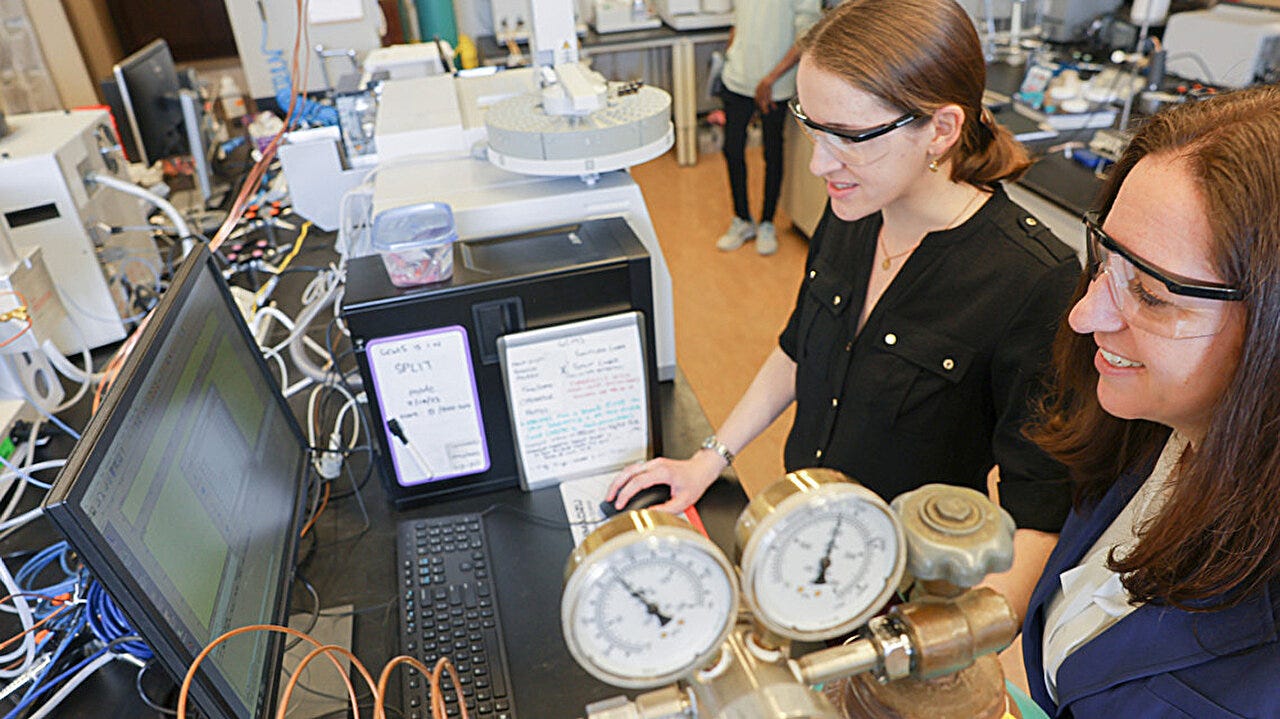
A new study1 led by Rebecca Gerdes and colleagues at Cornell argues that many identifications of ancient olive oil were never as secure as they appeared. The team has shown that Mediterranean soils, especially the calcareous and alkaline varieties common in Cyprus and nearby regions, can warp the chemistry of plant oils to the point that they mimic something else entirely.
That means some classic claims about ancient commerce, storage practices, and diet now sit on shakier ground.
“Residues do not speak for themselves; the soil shapes their story long before they reach the laboratory,” says Dr. Elena Rossi, a biomolecular archaeologist at Cambridge University.
The finding forces archaeologists to reconsider how confidently they have been interpreting organic residues across the Mediterranean basin.


