A Cave with a Long Memory
Leang Bulu Bettue is the sort of place archaeologists dream about and fear at the same time. It sits in the limestone karst of southern Sulawesi, unassuming from the outside. Inside, it holds nearly continuous traces of human activity stretching back more than 200,000 years.
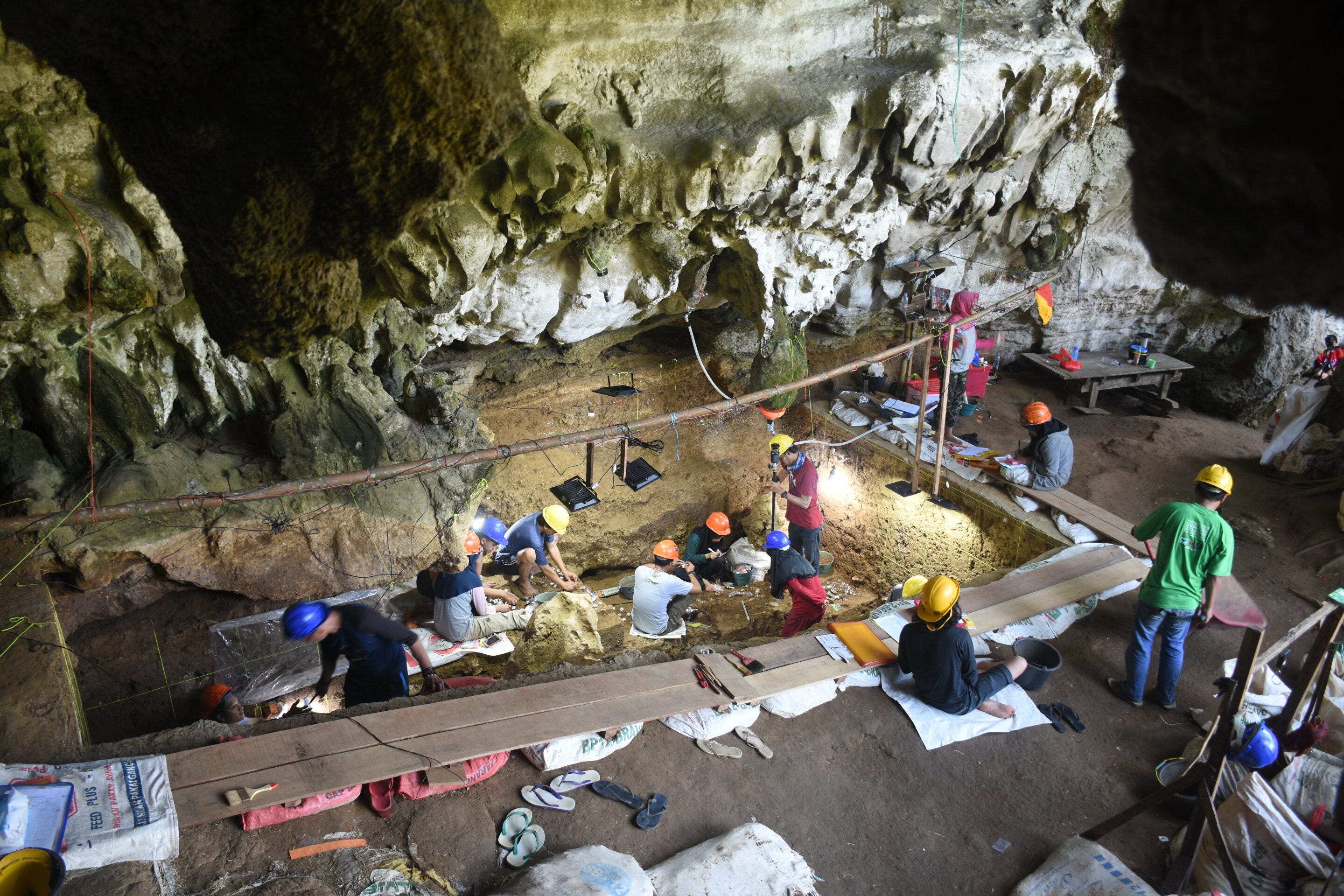
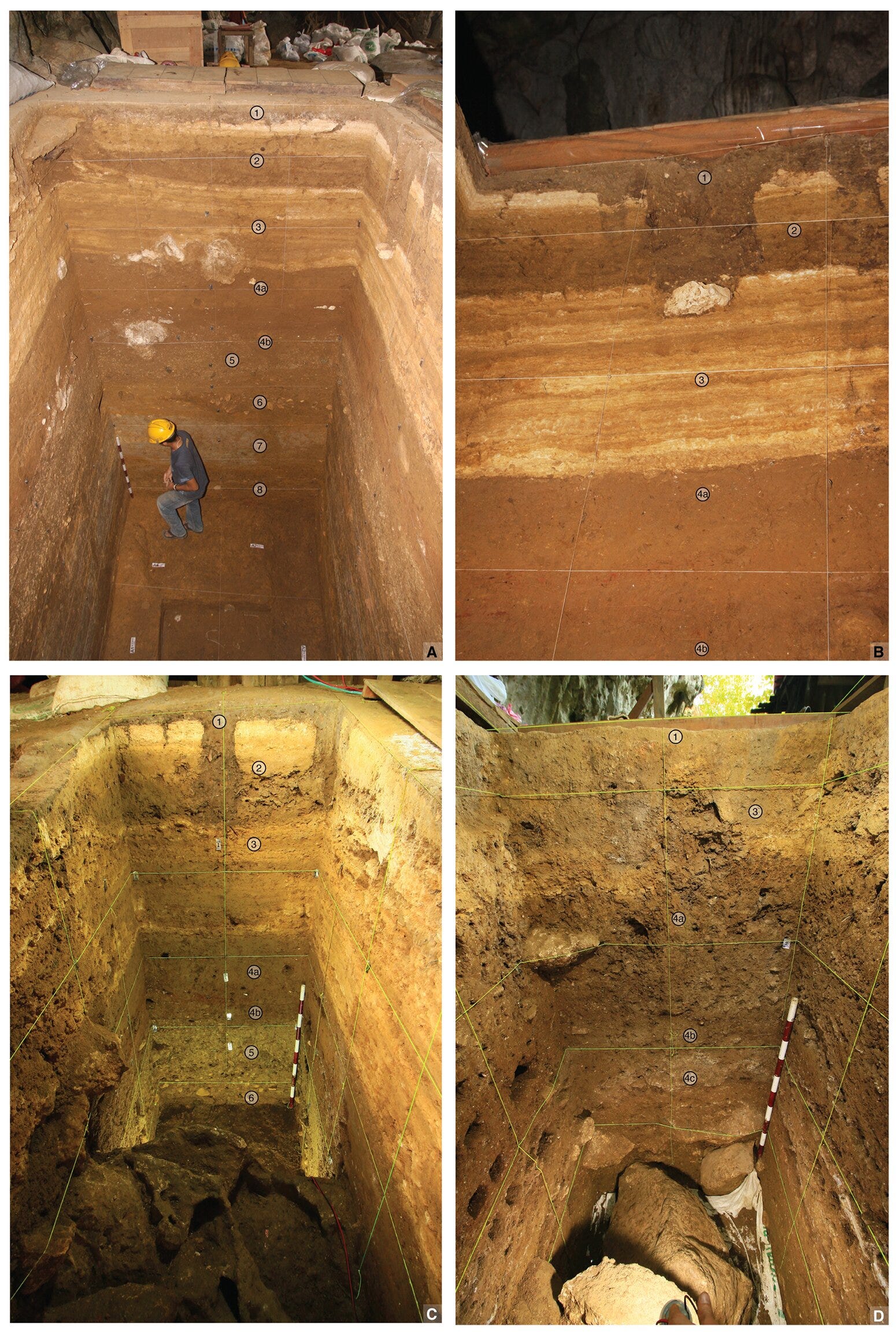
In a new study published in PLOS ONE,1 Basran Burhan and colleagues describe what happens when you keep digging, layer after layer, and the story simply does not stop. Instead of a few scattered horizons, the cave offers a deep, stacked archive of stone tools, butchered animals, and cultural change.
The result is not just a site history. It is a timeline that raises an uncomfortable and fascinating question. Were Homo sapiens alone when they arrived on Sulawesi, or did they enter a landscape already occupied by another kind of human?