

High in the southern Alps, at an elevation where weather can turn quickly and oxygen thins, a cave opens onto steep terrain. For decades, Caverna Generosa was known mainly as a bear cave. The floor yielded hundreds of bear bones, teeth, and skulls, the remains of generations of hibernating animals.
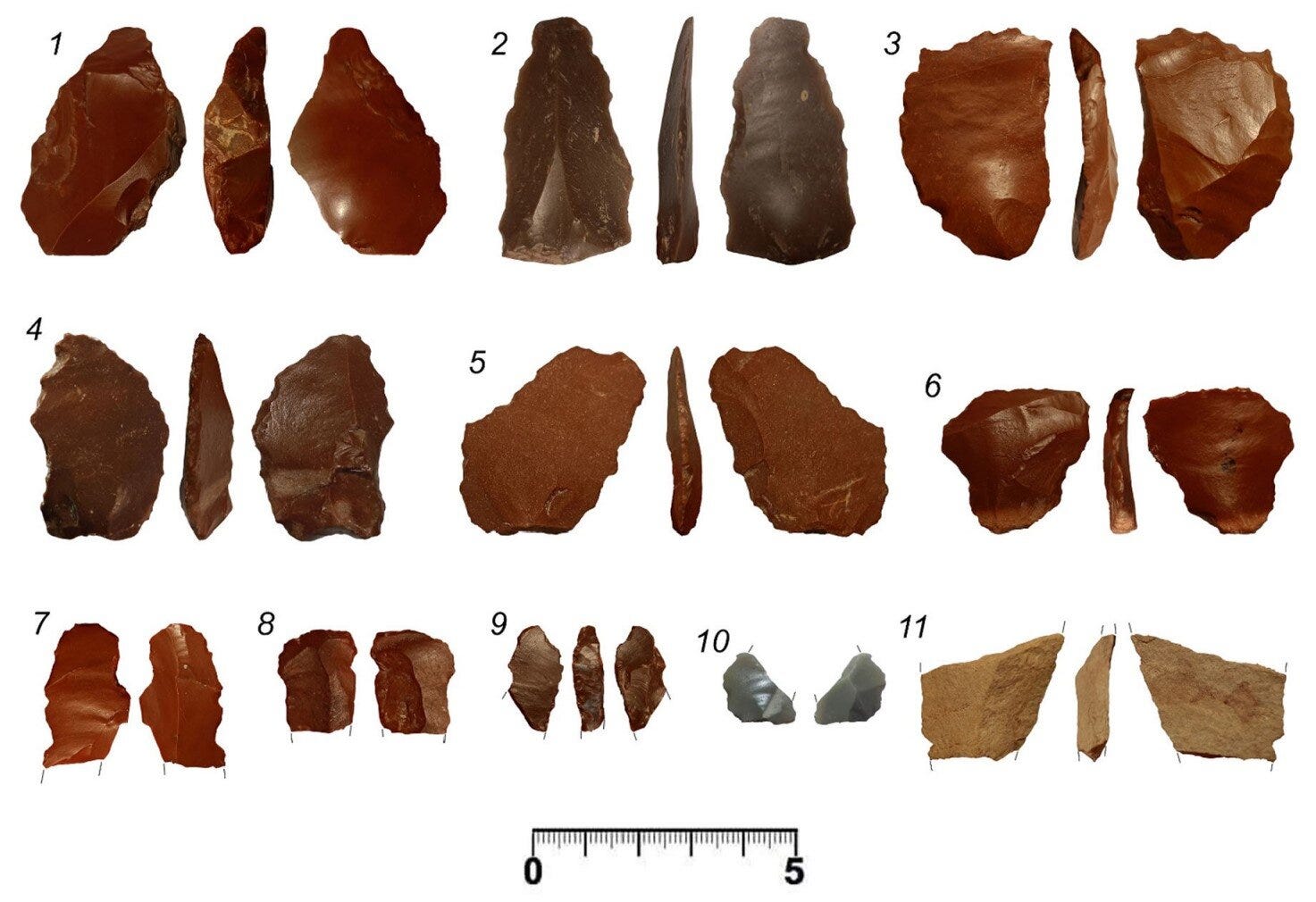
Mixed quietly among them were 16 stone tools.
A new reassessment1 of this material argues that these few artifacts carry outsized weight. They suggest that Neanderthals were not just valley dwellers who occasionally wandered uphill. They were planners who moved through high-altitude landscapes with prepared, reusable toolkits, anticipating needs far from their usual residential zones.
The study, led by Delpiano and colleagues, reframes Caverna Generosa not as a camp, but as a waypoint in a broader seasonal and logistical system.


