

In the foothills of the Zagros Mountains, where river valleys braid through the Peshdar Plain, an Iron Age town once smelled of wet clay and woodsmoke. Potters shaped vessels in courtyards, stacked them carefully to dry, and fed slow-burning fires beneath domed kilns. Nothing about this scene would have looked spectacular. That is precisely why it matters.
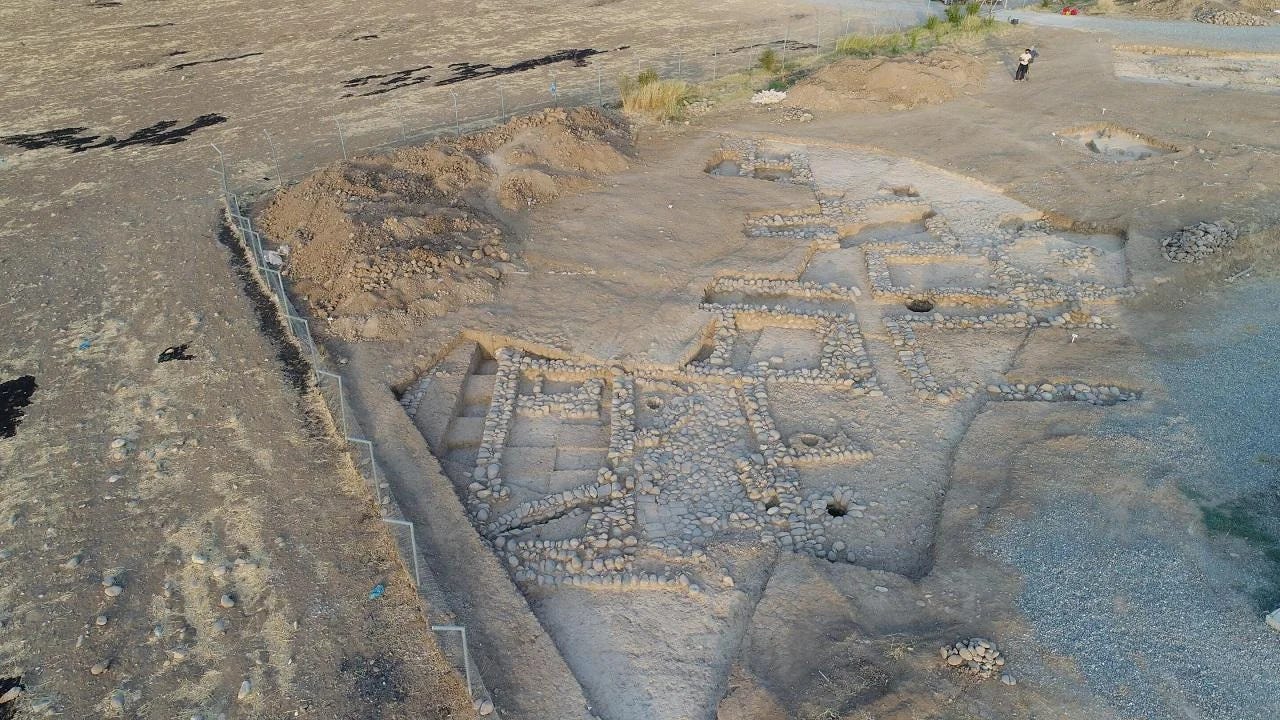
At the Dinka Settlement Complex in what is now Iraqi Kurdistan, archaeologists have recovered 1something archaeology rarely gets to see intact: not just pots, but the entire technological ecology that produced them. Clay sources, shaping techniques, firing installations, fuel traces, and the sedimentary afterlife of kilns all survived together. When analyzed as a single system, they tell a story of craft that is disciplined rather than flashy, coordinated rather than improvised, and deeply embedded in urban life during the early Iron Age.
This is not a tale of innovation racing ahead. It is about how stability can be productive, how conservative technologies can sustain cities, and how careful science can recover choices made by craftspeople nearly three millennia ago.


