

In a small lab in Copenhagen, and again in Cape Town, scientists recently revisited one of paleoanthropology's most persistent puzzles: Paranthropus robustus, the enigmatic hominin that once walked southern Africa roughly 2 million years ago. With ancient DNA long decayed beyond recovery in African environments, researchers1 turned to a more durable source of molecular information: proteins preserved in tooth enamel.
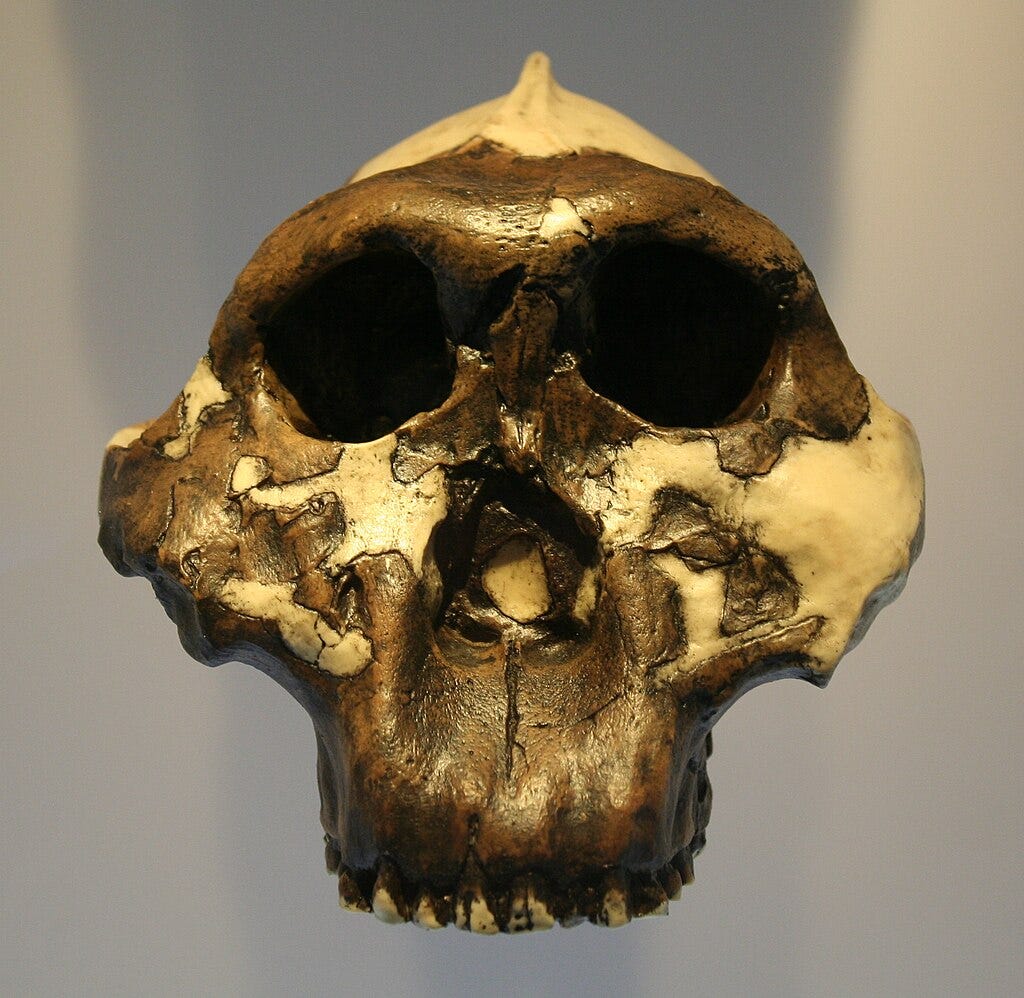
The result? A new window into the biology—and possibly the identity—of a hominin genus whose place in our evolutionary story has never been entirely clear.


