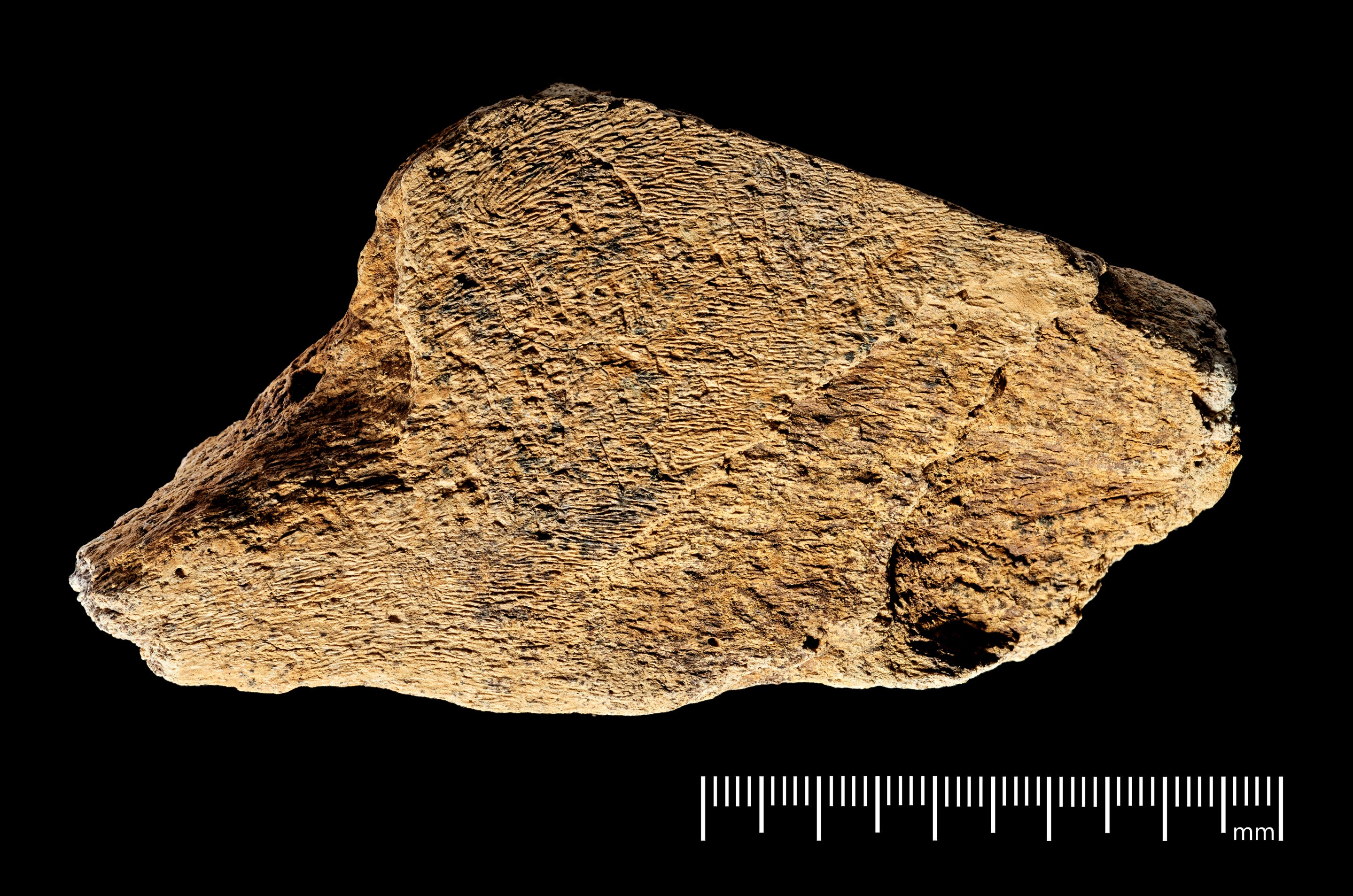
An unexpected material, hiding in plain sight
In the early 1990s, archaeologists working at Boxgrove in southern England uncovered a dense fragment of fossil bone. It joined thousands of other finds from the site and quietly waited its turn in museum storage.
Only decades later did it reveal what it truly was.
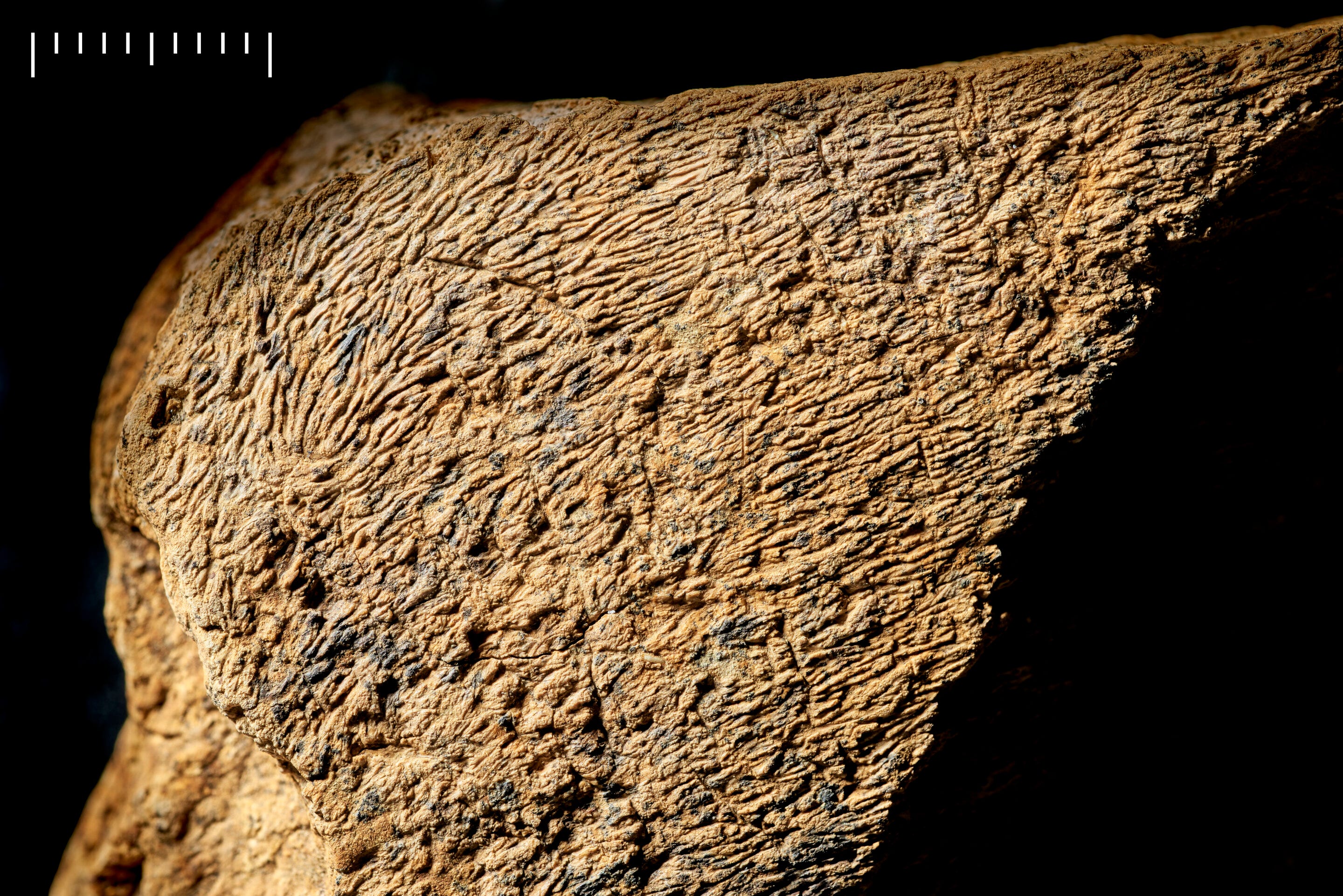
Careful reanalysis has now shown that this object, made from elephant bone and dated to roughly 500,000 years ago, is the oldest known elephant-bone tool in Europe. It was not a curiosity or ornament. It was a working implement, shaped and used repeatedly to maintain stone tools at the cutting edge of Acheulean technology.
The study, led by Simon A. Parfitt and Silvia M. Bello and published in Science Advances,1 adds a new layer to our understanding of how early humans thought about materials, value, and precision.
“This remarkable discovery showcases the ingenuity and resourcefulness of our ancient ancestors.”
— Simon A. Parfitt