

When stone was scarce, bone carried the load
Across much of prehistoric South America, stone tools dominate archaeological narratives. They preserve well, they travel easily across time, and they lend themselves to typologies that archaeologists have refined for generations. Bone, by contrast, often sits in the shadows. It decays. It fractures. It resists neat classification.
In the Sierras de Córdoba of central Argentina, this imbalance has long distorted the record. For communities living there between roughly 1,200 and 330 years ago, bone was not a marginal material. It was essential. Arrow points made from animal bone were among the most common tools in circulation, yet until recently they were poorly understood, described briefly in site reports and rarely analyzed as products of skilled manufacture.
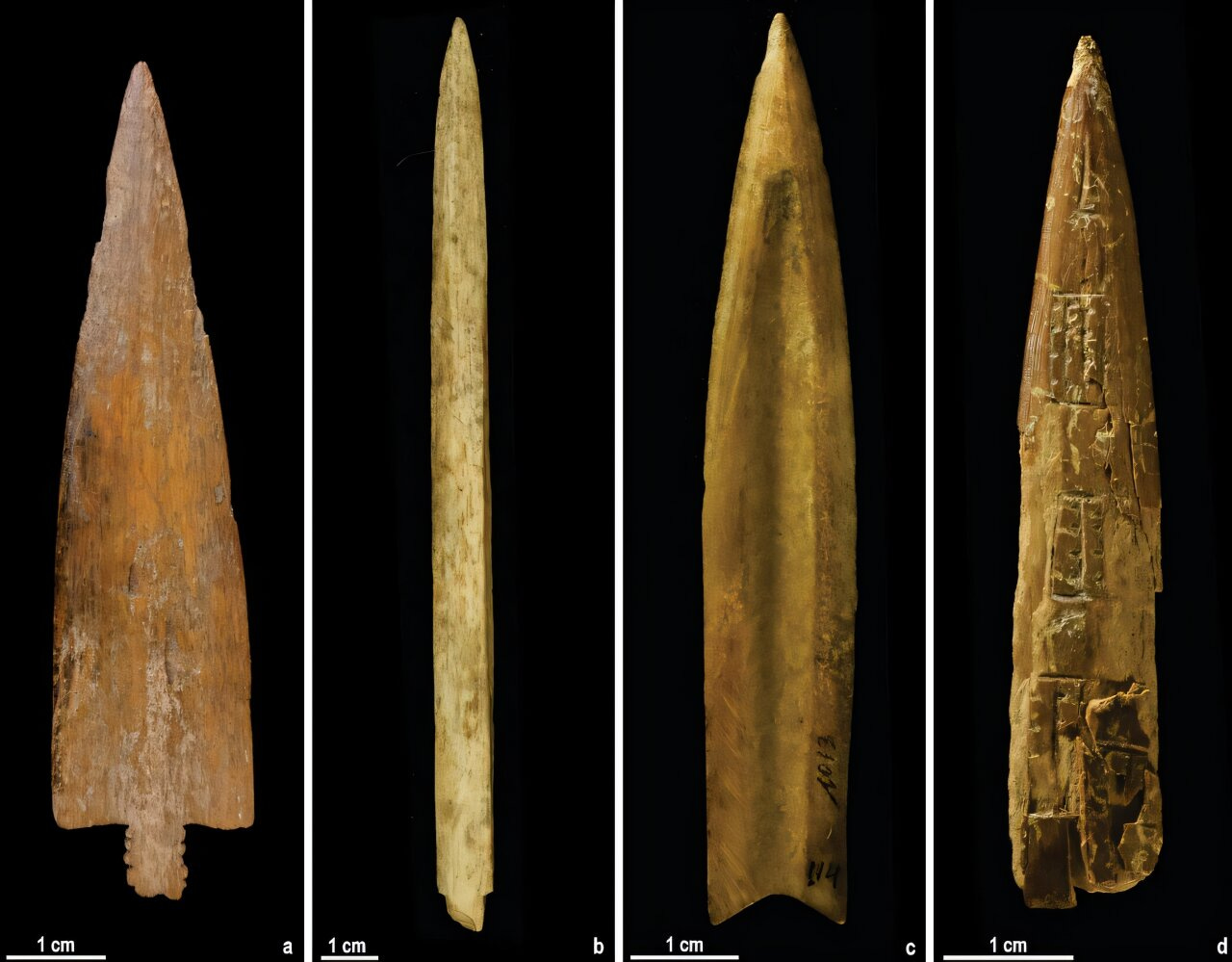
A new study1 by Matías Medina, Sebastián Pastor, and Gisela Sario changes that perspective. By reconstructing how bone arrow points were made, step by step, the research exposes an organized craft tradition embedded in daily life, family learning, and social signaling. The findings suggest that even highly mobile communities maintained consistent technical knowledge passed across generations.


