

The Ziggurat That Refused to Disappear
Archaeology often advances through grand excavations, but sometimes history turns on objects you can hold in your hands. In this case, two baked clay cylinders, each no longer than a forearm, quietly rewrote what we know about one of Babylon’s most famous kings.
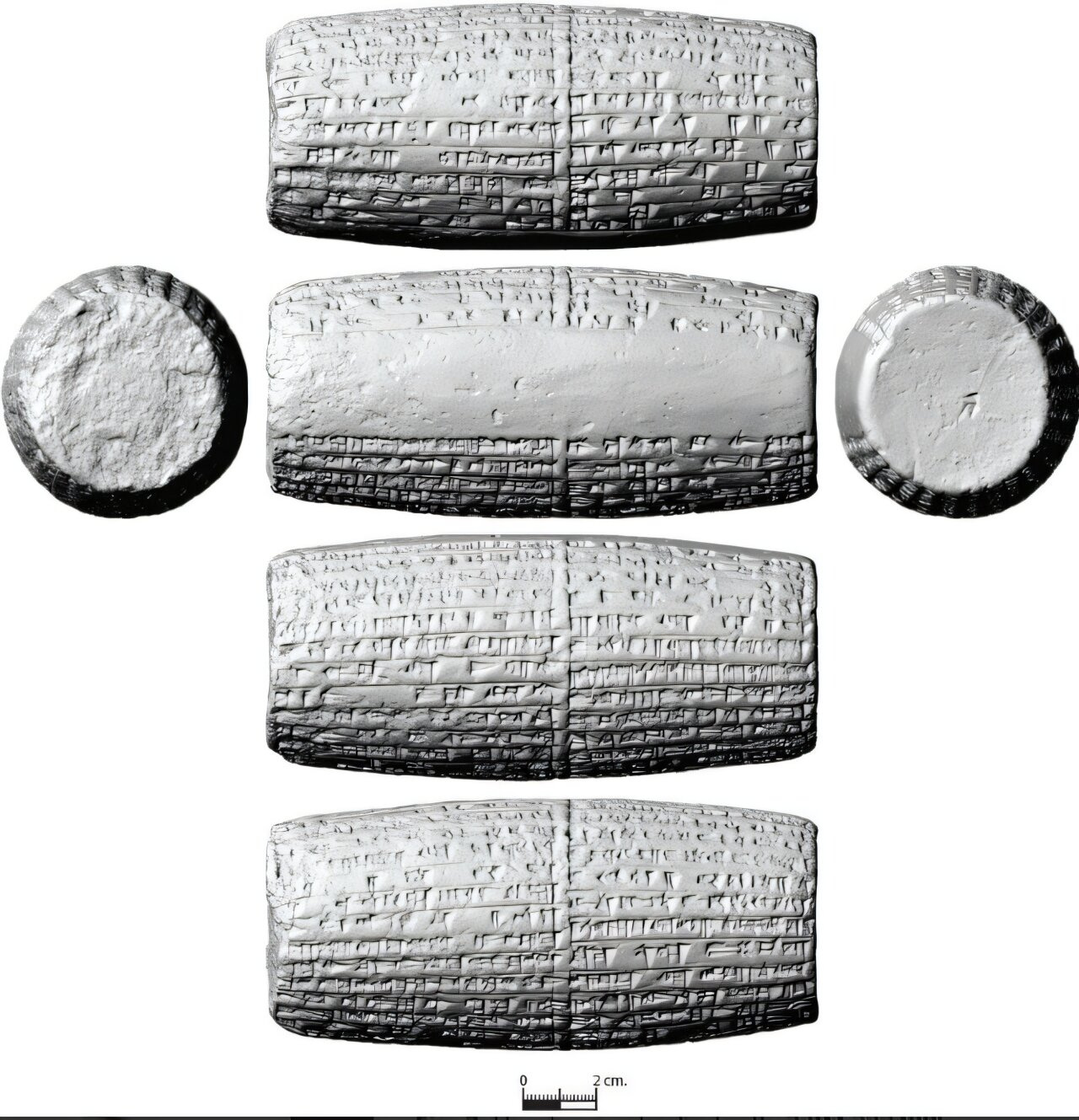
In 2013, two local residents in Iraq handed over a pair of inscribed cylinders they had found on the surface of Tell al-Uhaimir, the mound that marks ancient Kish. When scholars translated the cuneiform text, they realized they were reading the words of Nebuchadnezzar II himself, ruler of Babylon from 604 to 562 BCE. Not secondhand references. Not stamped bricks. A direct foundation text.
For the first time,1 there was explicit written proof that Nebuchadnezzar personally restored the ziggurat of Kish.


